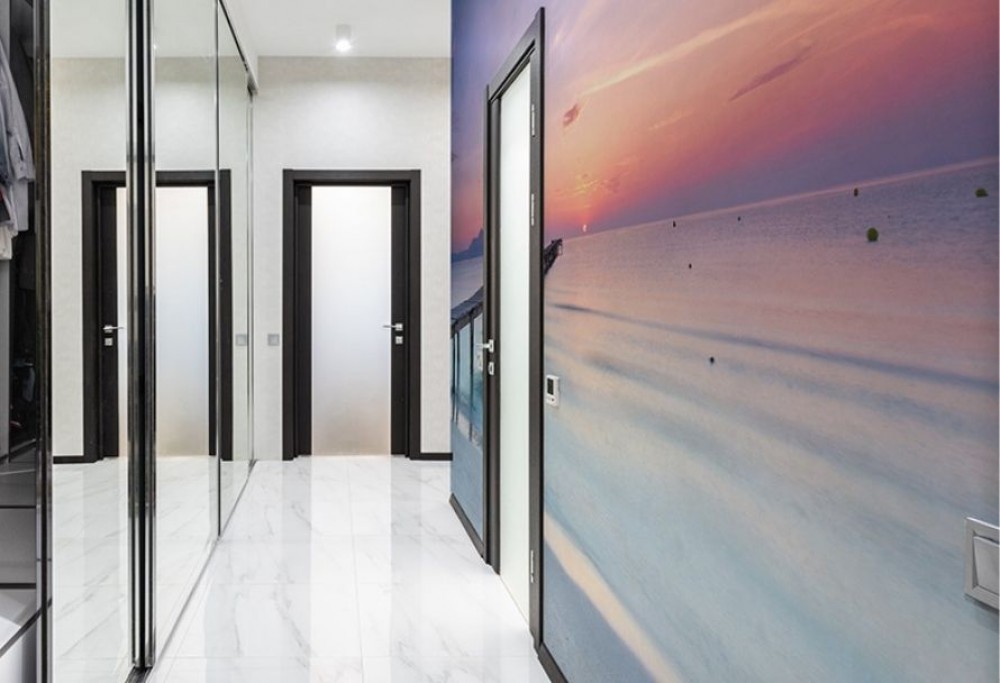
The hallway is the first place we see when we enter the home, so its appearance has a huge impact on how the entire apartment is perceived. Unfortunately, in many interiors it is a room that is small, narrow, dark, or difficult to furnish. The good news is that even a small space can be cleverly organized and brightened, making the interior feel larger, lighter, and more welcoming. All it takes is a few design tricks, the right colors, well-chosen furniture, mirrors, and light.
If you're wondering, how to visually enlarge the hallway, this guide will take you through the key principles. We'll show how to furnish a narrow hallway, how to choose lighting, which accessories to select, and what to do to make a small hallway feel spacious not only in photos but also in everyday use.
Why does the hallway feel small?
A small hallway often feels even smaller than it really is. This happens for several reasons. Most often, it lacks natural light, the walls are too dark, the furniture too bulky, and there are simply too many accessories. A narrow corridor further amplifies the tunnel effect, especially when there are tall wardrobes or heavy chests of drawers on both sides.
In small rooms every detail matters immensely. The wall color, type of flooring, direction of tile installation, the shape of a lamp, or even cabinet handles can influence the sense of spaciousness. That's why arranging a small hallway should be well thought out. It's not about giving up decorations entirely, but about choosing solutions that add lightness and order.
Light colors — the best base for a small hallway
The simplest way to visually enlarge a small hallway is to use a light color palette. White, light grays, beiges, creamy shades, delicate blush pink, or subtle pastels reflect light well and make the space feel more open. Light walls act as a backdrop that doesn't overwhelm the interior but lets it 'breathe'.
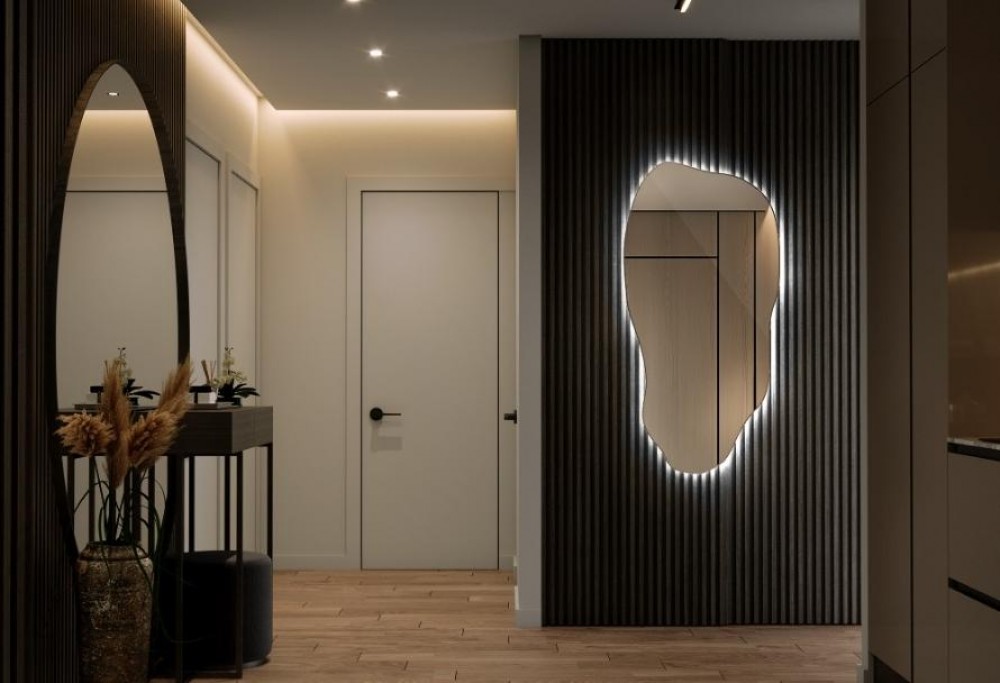
It's worth opting for light colors not only on the walls but also on the ceiling, doors, furniture, and floor. This will make the hallway arrangement cohesive and the room boundaries less distinct. This is especially important when we want to visually enlarge a narrow hallway — excessive contrasts can visually shorten and narrow the corridor.
A good idea is to paint the walls an off-white or warm gray. Such a base suits many interior styles and pairs well with light wood elements, black details, natural fabrics, or wall decorations. Light hues also make a great backdrop for mirrors, canvas prints, wallpapers, and subtle decorative panels.
Mirror — an essential element of a small hallway
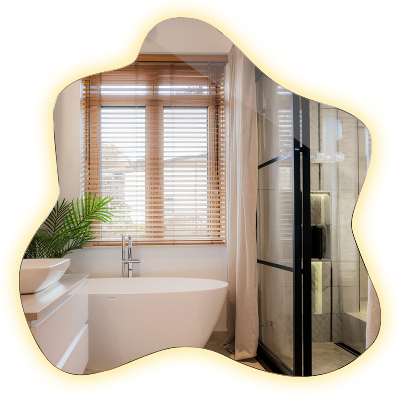
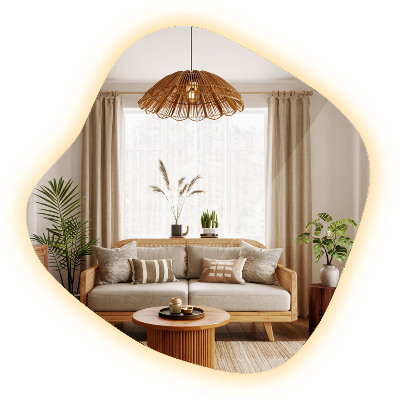
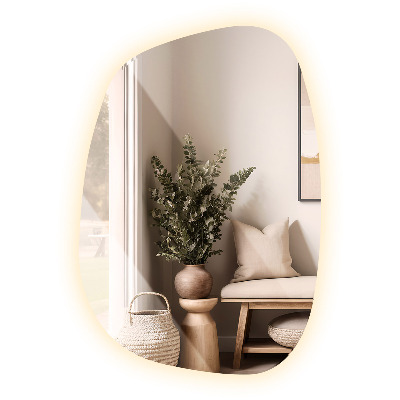
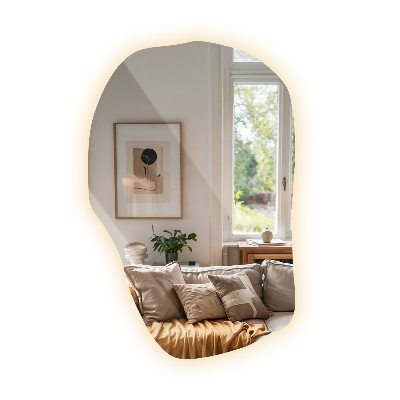
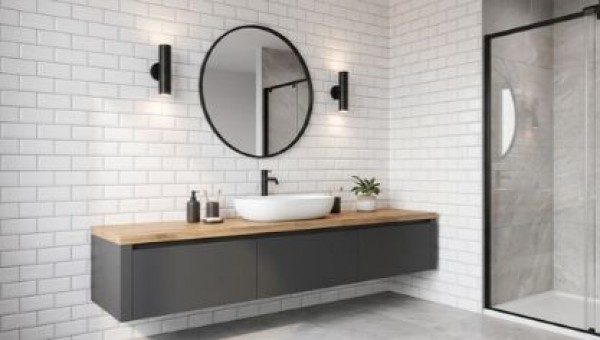
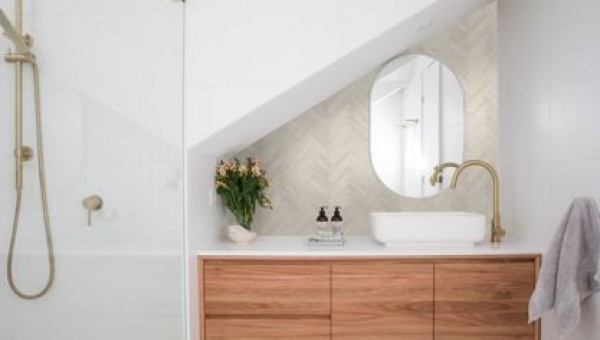
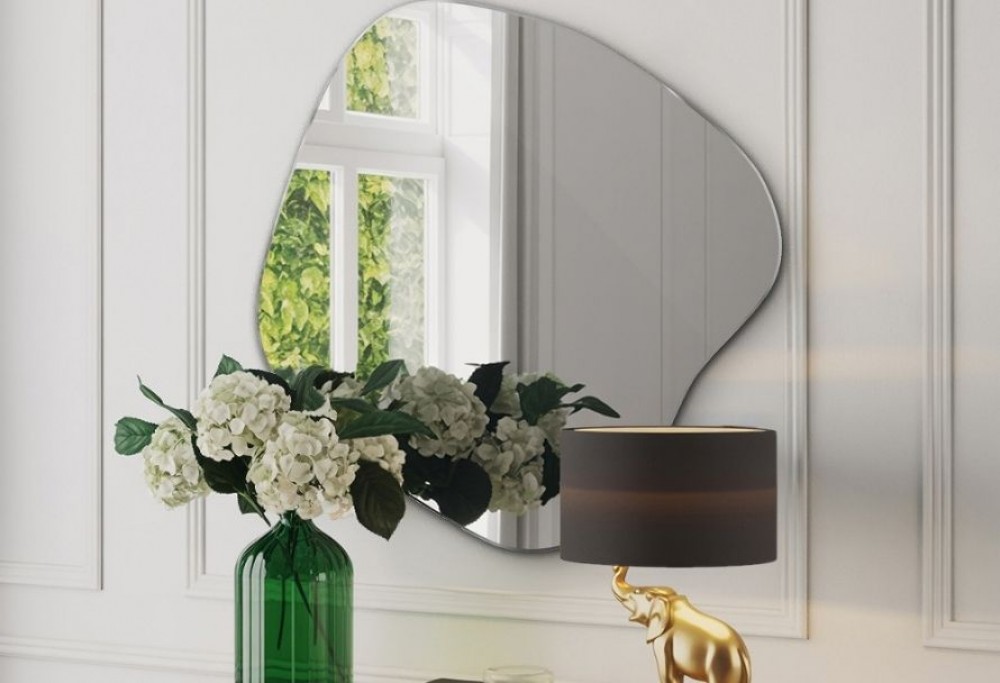
Mirrors are one of the most effective ways to enlarge a small hallway. A large mirror reflects light, adds depth, and makes the interior appear brighter and more spacious. In practice, a mirror is an indispensable element of the hallway — not only for practical reasons but also for design.
In a small corridor, large-format mirrors work best. You can hang them on one of the longer walls, place one above a console, or choose a wardrobe with mirrored fronts. This solution is particularly beneficial when you need a large wardrobe in the hallway but don't want it to overwhelm the entire room. Mirrored fronts can visually 'dissolve' the mass of the furniture in the space.
If the hallway is very narrow, it's worth placing the mirror so that it reflects the brightest part of the interior — for example, a doorway, a light wall, or a light source. This will give a tight corridor more depth and make the space feel lighter. It's a great way to completely transform the space without a major renovation.
Proper lighting — light that creates space
Lighting has a huge impact on how we perceive the hallway. Even the best-chosen light colors won't fully work if the room is underlit. The right lighting can visually enlarge the interior, bring out its strengths, and hide its shortcomings.
In a small hallway, it's worth planning several light sources. A ceiling lamp alone is often not enough, especially if the corridor is long or irregularly shaped. Good solutions include wall sconces, LED strips, mirror backlighting, lighting by the wardrobe, or delicate spotlights along the ceiling. A pendant light can look striking, but in a very low or narrow hallway it's better to choose flat flush mounts or surface-mounted fixtures that don't take up space.
It's worth remembering that the light should be evenly distributed. Dark corners make the room look smaller, while well-lit walls give a sense of spaciousness. If you want to visually enlarge the hallway, choose warm yet bright light that creates a cozy atmosphere without darkening the interior.
Furniture for a small hallway — functional, light, and well planned
When choosing furniture for a small hallway, you have to combine aesthetics with practicality. The hallway serves several functions at once: we store shoes, coats, bags, umbrellas, keys, and many everyday bits and pieces there. If everything is in plain sight, even light walls and beautiful mirrors won't help — the space will look chaotic.
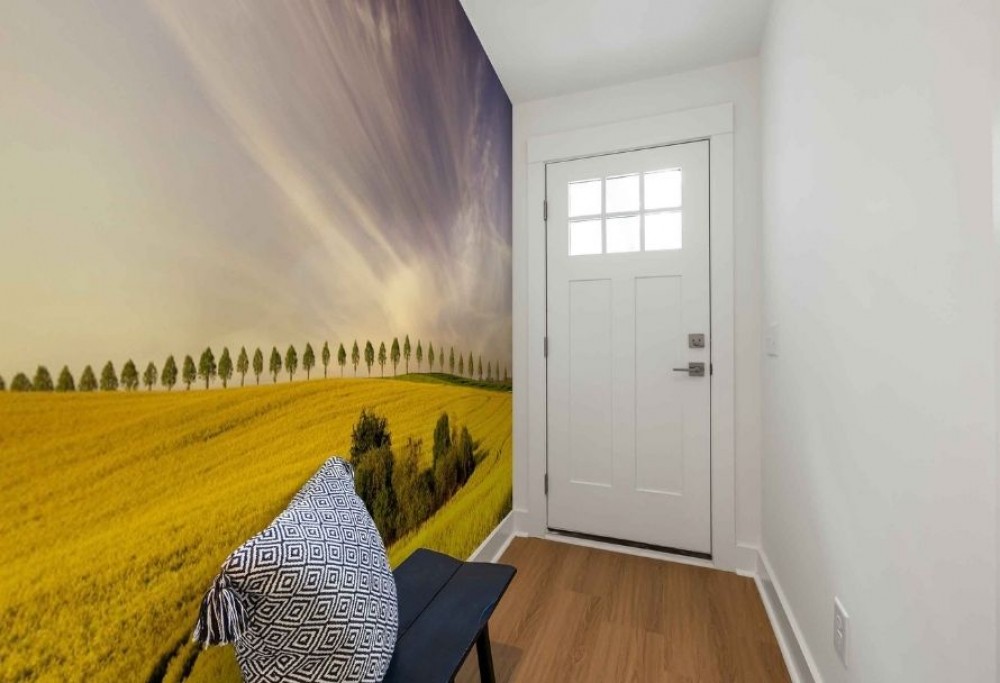
Furniture with a light construction, clean lines, and smooth fronts will work best. Instead of a heavy chest of drawers, choose a shallow shoe cabinet, a seat with storage, or a wall-mounted console. Multifunctional solutions are also a good idea, such as a bench with storage, a panel with hooks and a shelf, or a wardrobe with sliding doors.
Sliding doors are especially practical in narrow spaces because they don't need extra room to open. If the furniture fronts are light, simple, and free of heavy ornamentation, the entire arrangement gains lightness. A small hallway will become more organized, and everyday use will be more comfortable.
How to arrange a narrow hallway so it doesn't feel like a tunnel?
A narrow hallway is one of the biggest design challenges. It's easy to create the feel of a cramped passage in such a space, especially when the walls are dark and furniture is placed on both sides. To furnish a narrow hallway functionally and aesthetically, it's worth following a few rules.
First, do not line both longer walls with heavy furniture. It's better to choose one side for storage and keep the other visually lighter — you can place a mirror there, delicate wall panels, a subtle patterned wallpaper, or decorative wall slats.
Second, avoid strong horizontal divisions, which can further elongate the corridor in an unfavorable way. Vertical stripes, vertical slats, or tall mirrors work much better because they draw the eye upward and add proportion to the interior.
If you want to visually enlarge a narrow hallway, choose a light floor, uniform walls, and well-placed lighting. A narrow corridor can look elegant if it's orderly and free of excess random elements.
Wallpapers, wall panels, and decorations — how to use them with restraint?
In a small hallway, decorations should be used thoughtfully. That doesn't mean you have to give them up. It's important not to overwhelm the wall with a pattern that's too intense or with too many ornaments.
Wallpapers in light colors, with a delicate pattern or a subtle depth effect, can be an excellent choice. Vertical stripes visually raise the room, and small geometric motifs add modernity. Wall panels also work well in a hallway, especially if they have a simple form and are kept in a light palette.
An interesting solution are wall slats. Vertical slats add rhythm and elegance and help visually organize the wall. However, it's worth exercising moderation — in a small space it's better to accent one section of wall than to decorate the entire room with them.
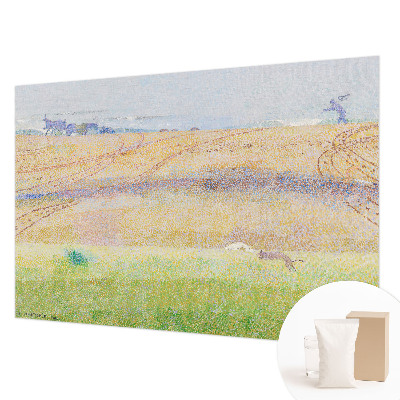
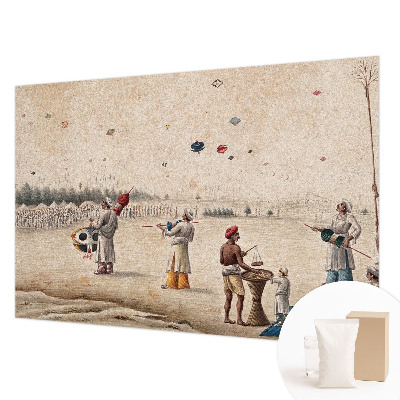
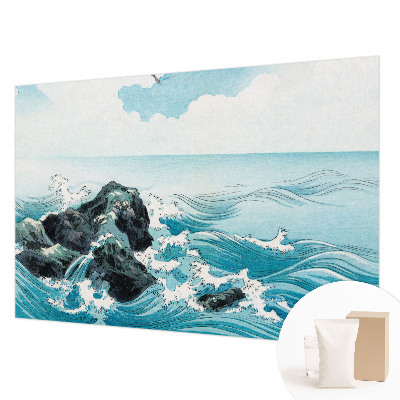
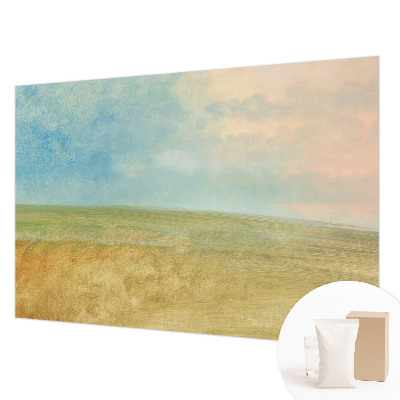
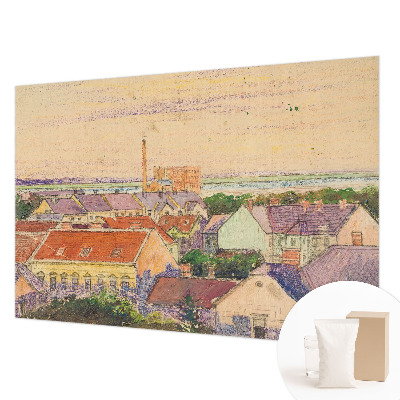
Wall decorations such as canvas prints, graphics, delicate posters, or photo wallpapers can also find a place in the hallway. It's best to choose motifs that are light, airy, and consistent with the rest of the arrangement. This way the accessories won't take away space but will emphasize the style of the entire apartment.
Flooring in a small hallway — light, durable, and cohesive
The hallway floor must be resistant to dirt, moisture, and heavy use, but its appearance also matters. A light floor can visually enlarge the room and brighten the entire arrangement. In a small hallway, ceramic tiles, porcelain stoneware tiles, vinyl planks, or floors in a light wood tone work well.
If the hallway connects with the living room or kitchen, it's worth ensuring flooring consistency throughout the home. A continuous surface without strong thresholds and sudden material changes makes the space feel larger. It's a simple yet very effective design trick.
In a narrow corridor, the direction of the flooring also matters. Long planks or rectangular tiles laid along the passage can visually lengthen the space, whereas patterns that are too small or too contrasting can sometimes introduce chaos. If you care about a light effect, it's best to opt for light, calm, matte finishes.
Doors and built-ins — how to avoid a heavy effect?
Doors in a hallway often occupy a large part of the walls, so their appearance strongly affects how the interior is perceived. In small spaces, doors in a color similar to the walls work best. This way they don't create strong divisions and the whole room looks calmer and more spacious.
If you have the option, consider sliding doors, especially for a wardrobe, storage, or a small recess. They save space and facilitate movement. In built-in furniture, handleless fronts, milled ones, or with a subtle push-to-open system look good. Smooth fronts can create the effect of a uniform wall that doesn't overwhelm the hallway.
For a large wardrobe, it's best to avoid dark, heavy fronts. A better choice will be light finishes, mirrors, or subtle glossy surfaces that reflect light. Such built-ins are practical and visually lighter.
Order — the cheapest way to enlarge a small hallway
Sometimes the biggest problem of a small hallway isn't its size but the excess of things. Shoes by the door, coats on open racks, bags on the floor, and knick-knacks on shelves make even a well-designed interior look cramped.
That's why storage is one of the most important elements of the arrangement. It's worth choosing closed cabinets, baskets, boxes, organizers, and hooks designated only for items used every day. Seasonal clothes and less frequently worn shoes are best moved to a wardrobe, dressing room, or another part of the home.
Visual order makes the space more harmonious. When the floor is clear, the walls aren't overloaded, and there are few accessories, a small hallway automatically looks larger.
A hallway arrangement consistent with the rest of the home
The hallway should not be detached from the rest of the home. It's a transitional space that connects different rooms, so it's good when it stylistically matches the entire house. If the living room is arranged in light colors and natural wood, it's worth repeating similar accents in the hallway. If modern minimalism dominates the whole apartment, the hallway should also be simple and orderly.
Consistency of colors, materials, and accessories makes us perceive the interior as larger and more harmonious. The hallway then isn't a closed, cramped fragment of the apartment, but the natural beginning of the entire arrangement.
How to visually enlarge a hallway?
A narrow hallway, a small corridor, or a tight passage doesn't have to be a problem. With thoughtful design, you can create a functional, elegant, and pleasant space right from the threshold. Choose light colors, simple forms, multifunctional solutions, and lighting that highlights the room's best features. The result? The hallway will become the home's showpiece, and the space will feel larger, brighter, and more orderly — from floor all the way up to the ceiling.