08.09.2026

When we think about renovating a bathroom, for decades the first association has been traditional tiles. Although cladding the entire space with ceramics from floor to ceiling is a tried-and-true, classic solution, contemporary interior design trends are heading in a completely different direction. We seek coziness, smooth surfaces without hard-to-clean joints, and materials that will change the look of the bathroom without having to go through a cumbersome, weeks-long upheaval.
The prospect of chiseling off old tiles, with rubble and dust everywhere, can effectively cool the enthusiasm for change. It’s no surprise, then, that we increasingly ask ourselves: what to use on bathroom walls instead of tiles will work best? Fortunately, alternative finishing materials offer unlimited design possibilities. In a humid environment, materials that until recently were associated exclusively with the living room or bedroom perform excellently. The key to success is always proper substrate preparation and careful waterproofing of wet zones.
Here is a comprehensive overview of proven solutions that will give your home bathing space a fresh, unique character.
If you want immediate results while keeping a reasonable budget, painting the walls with dedicated emulsions becomes the ideal solution. Ordinary wall products would quickly deteriorate under condensing steam, which is why specialist formulations are used in wet rooms. The main options include advanced latex paints and innovative ceramic paints, which create coatings with the highest class of resistance to wet scrubbing.
Ceramic paints contain microscopic ceramic particles, making them fully resistant to moisture, fungi, and mold. Meanwhile, flexible latex paints create dense coatings that effectively protect walls against moisture ingress and dirt. A surface painted with the right paint becomes easy to keep clean – stains from soap or cosmetics can be wiped away with a regular damp cloth.
It’s worth remembering that paints work best in dry zones and around the bathtub and washbasin, provided you ensure proper primer. Although it’s safer to use other materials inside the shower enclosure itself, coating the remaining walls with budget-friendly latex or ceramic paints in a wide palette of colors allows you to completely transform the space in just one weekend. Sometimes it’s a bold color - deep emerald, warm terracotta or muted navy - that brings the most energy into the interior.
Wallpaper in the bathroom? Just a few years ago, such an idea raised justified concerns. Today, vinyl wallpapers dedicated to bathrooms are a fully-fledged, extremely fashionable finishing material. Their secret lies in their layered construction: the outer coating of rigid or foamed vinyl means that vinyl wallpapers are resistant to moisture, do not absorb water and remain very easy to clean. Available in various colors, bold botanical patterns and geometric motifs, they let you give the interior a character in glamour, art déco or modern classic style.
The second technological favorite is fiberglass wallcoverings. Their structure resembles a dense fabric, which not only shows absolute resistance to mechanical damage and moisture, but also perfectly masks minor wall imperfections and plaster cracks.
When planning to install murals, it’s worth remembering two iron rules:
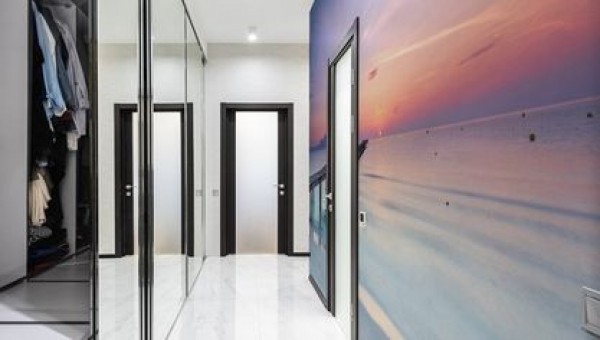
Murals must have a solid vinyl backing and be factory-laminated, which creates a barrier against water droplets.
Wallpaper in the bathroom should always be installed with waterproof adhesive enriched with fungicidal agents, and in zones exposed to direct streams of water (e.g., under a shower) it requires coating with a dedicated, transparent polyurethane varnish.
Thanks to this, wallpaper on bathroom walls looks impeccable for many years, breaking the sterile, cool feel of traditional ceramic tiles.
The biggest bane when cleaning classic tiles is undoubtedly the grout lines – that’s where limescale, soap scum and mold spores most often accumulate. If you dream of a perfectly smooth, monolithic surface, modern decorative plasters and microcement will be a bull’s-eye.
Microcement is a thin-layer mortar based on cement and polymers. It creates a seamless, 100% waterproof surface with a thickness of just 2-3 mm. This means there’s no need to trim doors or chip away old substrates – microcement can be applied directly over existing ceramic tiles after degreasing and priming the surface with a special bonding bridge. This material completely eliminates the problem of grout, is resistant to moisture and mold, and in the shower area, once sealed with a polyurethane varnish, forms a fully watertight barrier. Additionally, microcement is available in over 2000 shades, giving tremendous room for creativity.
When cleanliness and visually enlarging a small space are priorities, glass panels step into the spotlight. Made of thick tempered glass, they are completely safe, highly resistant to mechanical damage, sudden temperature changes and scratches. The glass can be crystal-clear, frosted, mass-tinted in dozens of shades, or backed with high-resolution graphics. Glass panels are resistant to detergents and moisture, don’t require time-consuming maintenance, and a simple glass-cleaner and cloth are enough to wipe them down. They can be successfully used in the most demanding wet zones, including directly inside the shower enclosure.
In the category of quick makeovers without hiring a renovation crew, large-format wall panels made of composites, acrylic or PVC also reign supreme. They allow for express installation without removing old tiles – you simply glue them onto a flat, existing substrate using construction adhesive.
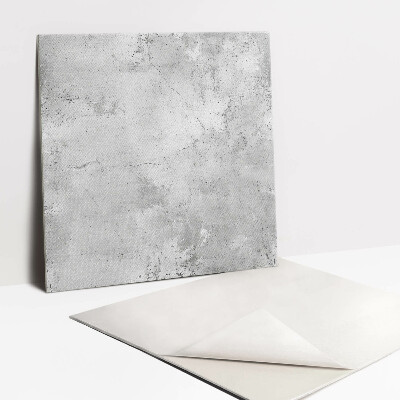
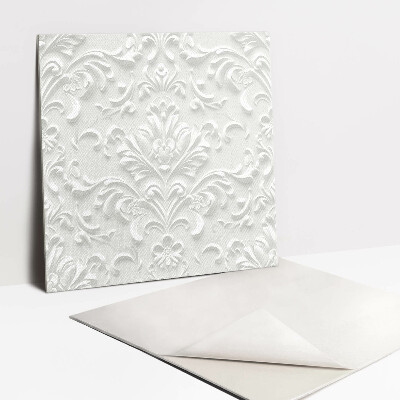
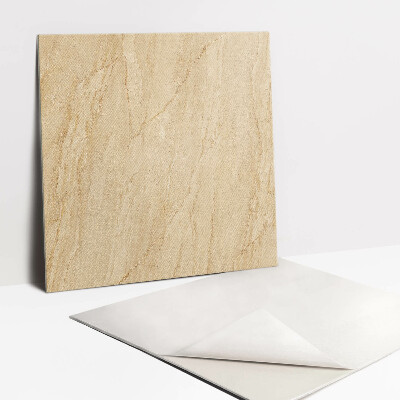
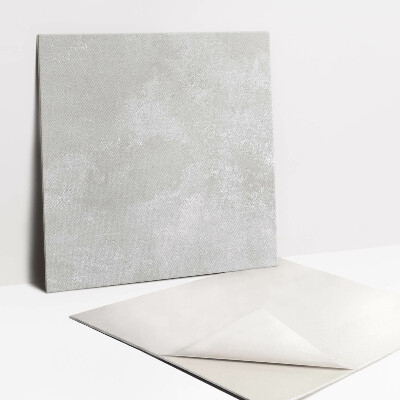
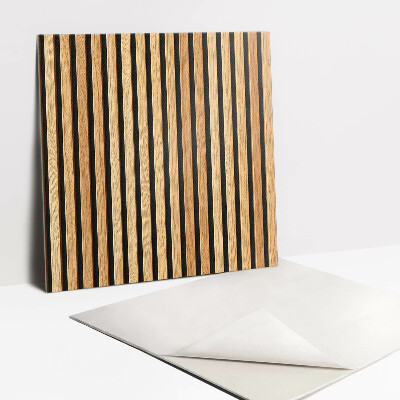
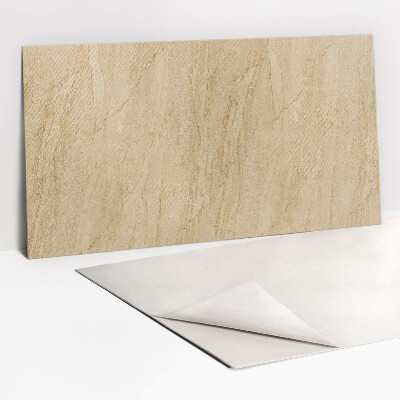
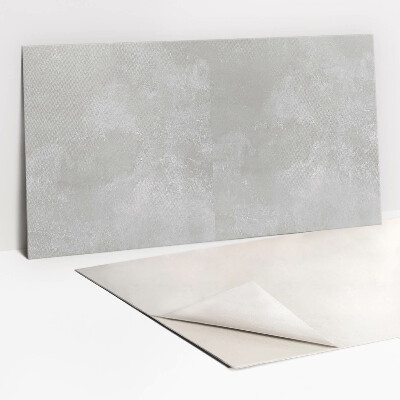
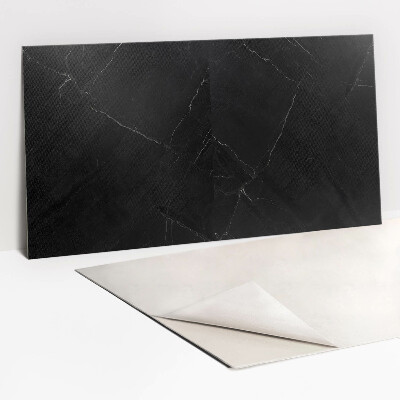
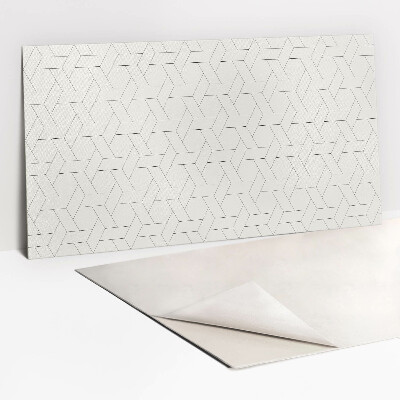
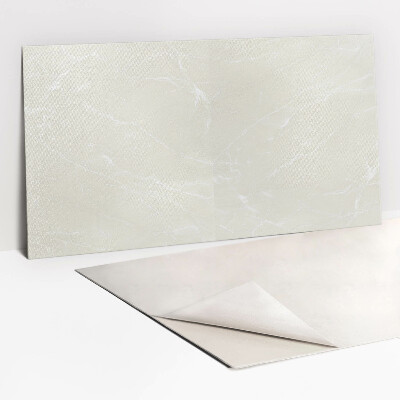
In areas less exposed to direct water splashes, self-adhesive vinyl panels work brilliantly. This lightweight, flexible material perfectly imitates marble, wood or concrete. Vinyl panels are fully waterproof, available in many designs, and are a brilliant hack for a low-budget, DIY way to mask out-of-fashion tiles in the toilet or around the washbasin zone.
For those seeking uncompromising luxury, large-format, high-end sintered quartz slabs are an alternative. Stone and composite slabs can reach sizes up to 320x160 cm, allowing you to cover the full height of a wall with just one or two elements, delivering a spectacular, uniform visual effect.
For lovers of strong contrasts, a great idea is to combine cool rawness with the organic warmth of nature. Instead of tiles in the bathroom, it’s worth reaching for natural materials that bring authenticity and a unique atmosphere to the space.
Architectural concrete is the quintessence of modernity, which fits perfectly in industrial, loft and minimalist interiors. Architectural concrete slabs are usually 4-10 mm thick, so they don’t excessively burden wall structures. This material can be tinted in various shades of gray, anthracite, white or beige and given different textures - from smooth, satin surfaces to highly porous ones with characteristic pitting. Properly impregnated architectural concrete is fully resistant to moisture and mold. However, it’s worth remembering its natural trait: on contact with steam and water droplets it may temporarily darken slightly, which is part of its unique charm.
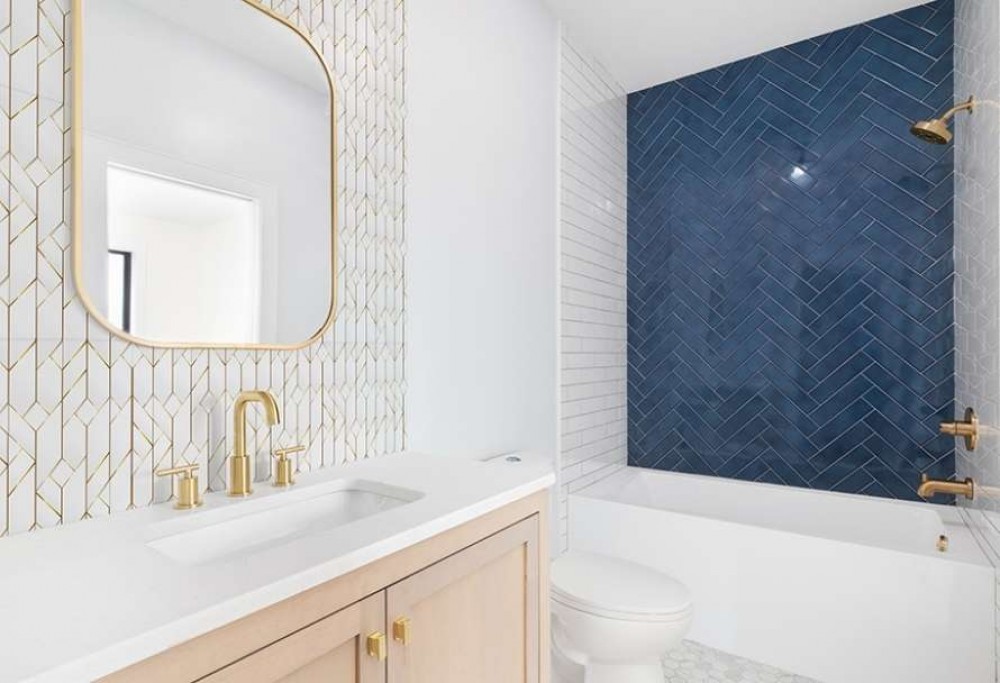
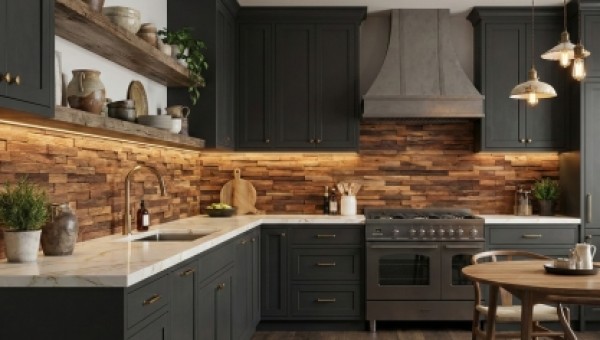
A counterbalance to raw concrete is natural wood, which gives the bathroom a warm, luxurious look, turning an ordinary bathing room into a private spa. Can wood handle humidity? Absolutely, as long as you choose the right species:
Exotic woods such as teak, merbau, wenge or iroko contain natural essential oils and tannins that make them highly resistant to water, rot and fungal growth.
Deciduous varieties, primarily hard oak, ash or larch, can also be used in the bathroom, but they require much more rigorous impregnation (e.g., multi-layer oiling or coating with polyurethane varnishes) and should not be exposed to direct, constant streams of water.
Wood on the wall requires systematic care, but its natural beauty, tangible grain texture and fragrance fully compensate for the time spent on maintenance.
When opting for unconventional wall finishes in your bathroom, you must not forget purely construction-related aspects. Unlike ceramic tiles, which in themselves create a dense barrier, many alternative materials require special attention to what lies beneath.
Double waterproofing: In wet zones (inside the shower enclosure, the immediate surroundings of the bathtub and washbasin), a liquid waterproofing membrane or an elastic sealing mat applied to the substrate before installing the decorative layer is crucial, complemented with tapes in the corners.
Effective ventilation: No material - from vinyl wallpaper, through ceramic paints, to teak wood - will stand the test of time if humid air constantly lingers in the room. A working gravitational draft or a quiet mechanical fan is absolutely fundamental.
Impregnation and sealing: Both the joints at the shower tray and floor, and the edges of glass panels or wall panels must be carefully sealed with neutral sanitary silicone to prevent water from seeping under the finish material.
The choice of what to put on the wall instead of traditional tiles depends on your budget, the time available and the intended visual effect. From quickly refreshing walls with washable paint, through seamless, velvety microcement, to warm teak wood panels - modern materials prove that a functional bathroom can look original, cozy and stylish without laying a single traditional tile.